


 Nederlands
 Deutsch
 Français
 Österreich
 Español
 Belgium

Branding cowhides is an ancient practice that has been used for generations. Although technology continues to advance, branding remains a widely used method for identifying and protecting livestock. In this blog, we’ll take a closer look at the reasons why cattle are branded.
In this blog on why cows are branded:
- The origins of cattle branding
- Traditional methods and development over the years
- Why branding was historically important
- Reasons for branding cattle
- Prevention of livestock theft
- How branding contributes to a safer food chain
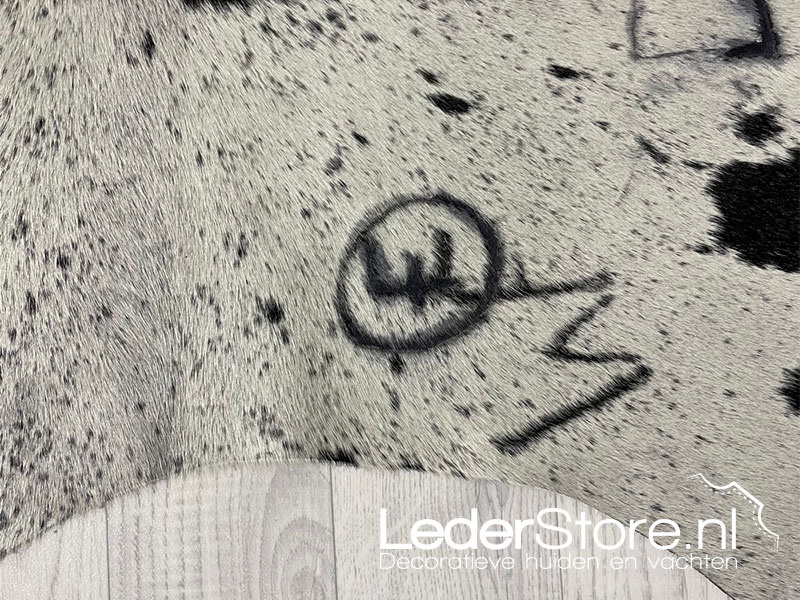
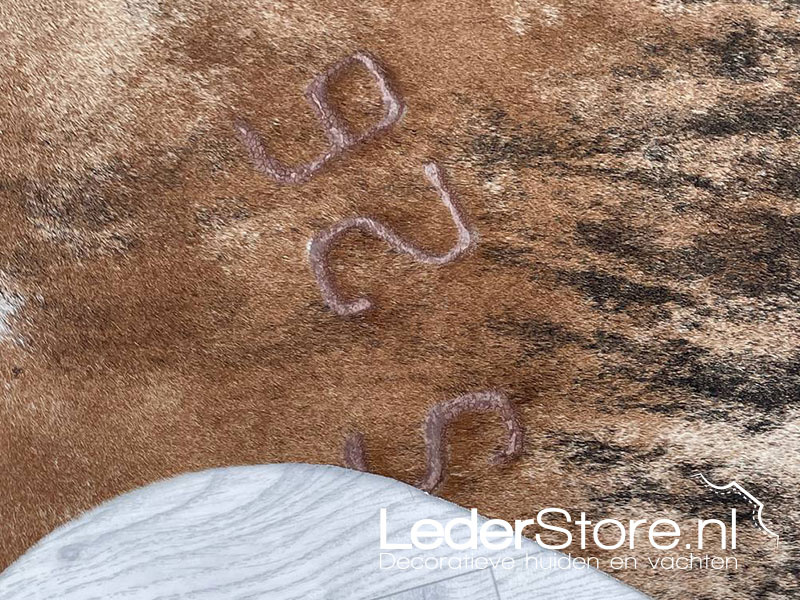
- A brand mark is a unique element on your cowhide
The origins of cattle branding
Cattle branding has its origins in ancient civilizations, where for centuries shepherds and farmers marked their cattle to claim ownership and protect against theft. In ancient Egypt and Greece, branding was a widespread practice, while the Romans used it to identify their livestock and manage their herds. The brandmark, often a unique symbol or initials, was burned onto the skin of cattle using hot iron, creating a permanent mark. This method spread throughout the world over the centuries and became a standard feature in animal husbandry, especially in areas with extensive grasslands and large herds.

Traditional methods and development over the years
Traditional methods of cow branding involve the use of hot iron rods to apply permanent markings to the cattle's hide. This method, which has been used for centuries, has evolved over the years. In the early days, simple iron rods were heated over open flames, then pressed onto the animal's skin to leave a burn mark. As animal husbandry became more sophisticated, branding evolved as well. Companies began to develop specialized designs, often with unique symbols or letters that were specific to a particular farm or rancher.
In recent decades, the process has been further modernized, with the introduction of freeze marking and electronic identification methods. Freeze marking, which uses cold bars instead of hot ones, is considered less painful for cattle. Electronic identification, such as radio frequency identification (RFID), provides an alternative way to track cattle without the need for physical markings. Despite these developments, traditional hot iron branding still remains in use, especially in regions where technology is less accessible or tradition is highly valued.
Why branding was historically important
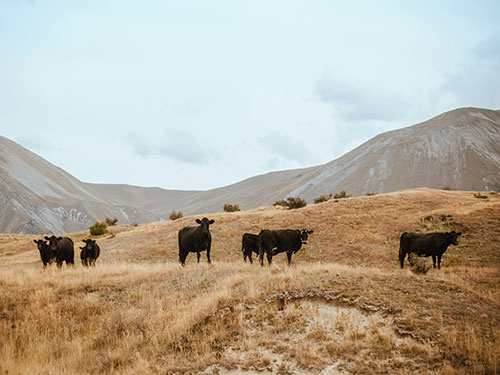
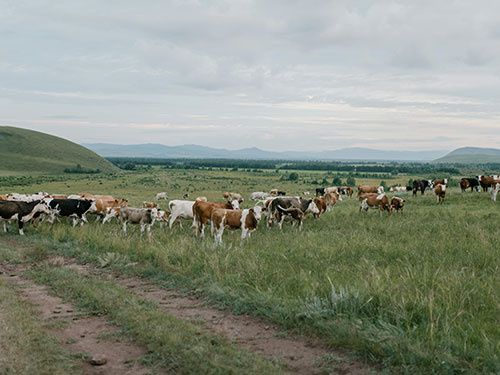
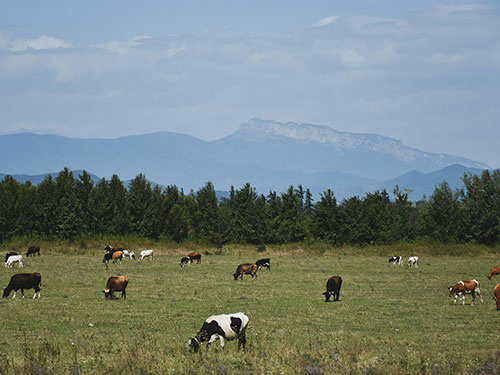
Historically, branding cows was of great importance to livestock owners to protect their property rights and effectively manage herds. In times when large tracts of land were in use for livestock production and monitoring all animals was impossible, branding provided a way to identify individual animals. This was especially relevant in areas where ranchers allowed their cattle to graze freely on common land or on vast ranches. The branding acted as a signature, allowing owners to identify and reclaim their livestock even if they had strayed or been stolen. A small impression of how big the land is on which the cows run can be seen in the video below where the so-called "Helicopter cowboys" drive the cattle.
In addition, branding was an effective way to reduce conflicts between livestock owners and support ownership claims. During periods of conflict or disagreement over the ownership of livestock, branding provided a clear indication of who was the rightful owner. This provided order and clarity at a time when official documentation was often lacking. In essence, branding was an indispensable tool to protect property rights, prevent theft and maintain harmony within livestock communities.
Reasons for branding cattle
Cattle identification is critical for effective herd management and establishing ownership rights. In livestock production, it is essential for farmers to be able to individually identify their cattle to monitor their health, manage breeding programs and improve overall herd efficiency. Indeed, proper identification ensures that farmers are able to track information such as vaccinations, disease history and productivity, leading to better decision making and health care for the animals.
In addition, cattle identification is important for protecting property rights. In regions where animals graze freely or where different herds live close together, the brand or identification tag helps distinguish ownership. This is important to avoid disputes over ownership and helps cattle owners enforce their rights in case of theft or loss.
Prevention of livestock theft
Cattle branding plays an important role in preventing theft and recovering stolen animals. Cattle theft can be a major problem for farmers, especially in areas where large herds are kept and where surveillance of all animals is difficult. A clear and distinctive branding serves as a visual proof of ownership, making it more difficult for thieves to sell or use the stolen cattle without being caught.
When cattle are stolen, branding can facilitate identification and return of the animals. Local authorities and other farmers can recognize the brands, which helps track stolen animals. In many cases, the brands are registered in local or national databases, making them easily traceable to their rightful owner. This provides farmers with an additional layer of protection against theft and ensures that their property rights are maintained.
Moreover, burn marks often act as a deterrent. Because they are virtually impossible to remove or alter. In an industry where ownership and management are of great value, branding remains a valuable and practical method of preventing livestock theft and identifying stolen animals.
How branding contributes to a safer food chain
Traceability and food safety are important aspects of modern livestock production that contribute to a safer food chain. Branding and identifying livestock allows farmers and producers to track individual animals throughout the production chain, from farm to your plate. This traceability capability is critical in the event of a health crisis or disease outbreak, as rapid isolation and management of infected animals is essential to prevent further spread.
Traceability also helps detect and address quality problems or contamination quickly, reducing the risk of food-related incidents. Clear cattle identification allows food safety authorities to quickly identify the source of a problem and take appropriate action. All this contributes to a safer and more reliable food chain.
A brand mark is a unique element on your cowhide
A brand mark on a cowhide adds a unique and authentic element that distinguishes it from unbranded hides. In interior design, the natural beauty of a cowhide is valued for its unique patterns and textures, and a brand mark enhances this uniqueness by adding a touch of character and authenticity. The brand mark serves as a kind of signature, which not only reflects the hide’s origin but also adds a Western touch to the interior.
For many people seeking a unique and personalized interior, a brand mark adds a story to their space. It can symbolize tradition, heritage, or even a specific farm brand, turning the hide into a conversation starter and bringing a piece of rural culture into the home. Moreover, every cowhide with a brand mark is unique, meaning no two hides are exactly alike. This contributes to the exclusivity and personal touch of the interior, making it a perfect choice for people who want to set their living space apart with unique pieces.


Do you need help choosing your new cowhide?
Would you like to get a new cowhide with a brand mark but are still unsure and would like some extra help and advice? I’d be happy to assist you with any questions you may have. That way, you can make an informed decision and choose the cowhide that perfectly suits your wishes and needs. You can contact me at +31 6 17521363 (during business hours), send an email, or stop by in Boxmeer, the Netherlands (by appointment only) to see them in person.